Social Media Is Changing Human Ethics: How Digital Habits Are Reshaping Right and Wrong
Discover how Social Media is Changing Human Ethics, from the impact of anonymity and misinformation to the rise of cancel culture. Explore digital privacy, the role of algorithms, and how to remain an ethical human in the age of AI.
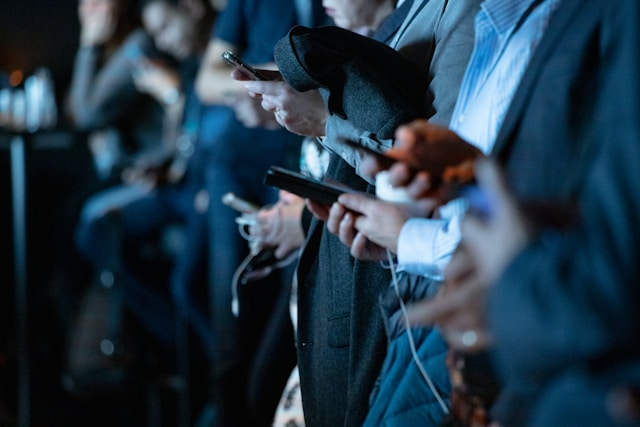
Hello, how are you friend? Is everything set? Come on friend, today let's talk about something that we probably see every day but never pay attention to. Today we will talk about the thing that remains in our hands 24 hours a day and how it is changing our thoughts and our ethics. Got it? Let's start with a new enthusiasm!
Introduction: Ethics in the Digital Age
Friend, today we live in a time where, from the moment we wake up in the morning until we go to sleep at night, we spend our time staring at screens. But have you ever thought about how all this scrolling and liking is changing the human within us?
The digital age has not only changed the way we work, but it has also changed what we consider right and what we consider wrong. Today's ethics are not limited to books, but are visible in our statuses and comments. We must understand that we are not machines, we are humans, and even in the digital world, we have to keep our humanity alive.
Understanding Ethics in the Online World
What does ethics mean in the online world? It's not just about not abusing anyone. It's much deeper, my friend.
What is your attitude when you're behind a screen?
Are you the same as you are in real life?
Online ethics means responsibility. When we react to someone's post or share something, we must remember that there's a living human being sitting on the other side of the screen with feelings. We must make our digital identity so strong and true that people will follow us.
Social Media as a Moral Guide
These days, social media has become our new "master" or moral guide. We often assume that what's trending on social media is right. But friends, not every trend is right! We need to cultivate the discernment within ourselves to not follow the crowd but listen to our conscience. Social media teaches us how to get along with everyone, but the most emotional question is whether we're forgetting our old, good values.
Anonymity and How It Shapes Behavior
This point is very interesting, understand? When someone knows that no one can identify them (anonymity), they often say things they would never say face to face. This "veil" makes us either very brave or very rude. We should use this power to encourage others, not to put them down. The real fun is when no one knows you, yet you still help or respect them.
Misinformation and Its Ethical Consequences
Friend, a single lie can destroy the entire world if it spreads rapidly on social media. Spreading misinformation isn't just a mistake, it's a crime. When we hit the "Forward" button without thinking, we might be making someone's life difficult. We have to stand by the truth. Imagine how beautiful the internet would be if we all made the intention to share only the truth!
Privacy: Sharing vs. Protecting Yourself
These days, our lives have become an open book. From eating to crying, everything depends on status. But friends, protecting your privacy is also a part of your ethics. We need to know that not everything is meant to be shown. Learn to protect your dignity and privacy and that of your loved ones. Remember, once something goes online, it stays there forever. Got it?
Copyright and Who Owns Online Content
Someone worked hard, made a video, or wrote something, and we took it and attributed it to them—this is completely wrong, friend! Learn to respect the hard work of others. If you like someone's work, give them credit. This small thing makes you a better person. In the digital world, stealing someone's content is like stealing their soul; beware of it.
Fame Online and the Responsibility That Comes With It
When you gain followers, your responsibility increases 100-fold. Fame isn't just money or likes; it's a trust. People follow what you say.
Are you teaching people something good?
Or are you just doing something for views?
Remember, a real hero is one who uses their fame for the good of others.
Empathy and Compassion in Digital Communities
The biggest lack in digital communities is "empathy" (feeling the pain of others). We tend to be harsh in our comments. We need to be a support system for each other. If someone is in trouble, encourage them. A simple "Stay Strong" comment can change someone's life. The most moving thought is that we are all passengers in the same boat.
Cancel Culture: Collective Morality in Action
Cancel culture is the new weapon of the day. Someone made a mistake, and everyone came together to destroy them. Friend, humans can make mistakes. Morality dictates that we should keep the door of forgiveness open. We don't need to be judges, but rather, we need to be advisers. Do you understand?
Ethics Around the World: US, UK, EU, Japan
Ethics is viewed differently in every corner of the world.
In Japan, online dignity and expression are highly valued.
In the EU, privacy laws are very strict.
The US and UK place a strong emphasis on freedom of speech.
But all of these should have one thing in common: humanity. Wherever we are, we should not suppress our expressions online.
Algorithms and the Choices They Influence
These algorithms (computer codes) show us only what we want to see. This clouds our thinking. They influence our decisions. We should not become their slaves! Keep your thoughts free, consider every aspect, and then make a decision. Don't let the algorithm control you; instead, you should guide it.
Kids, Teens, and Their Digital Moral Compass
Our kids and teens are being born with tablets these days. Their moral compass (the sense of right and wrong) is being formed by social media. It is our responsibility to teach them digital ethics. Tell them that there is a real world behind the screen. Teach them how to be responsible digital citizens.
Real-World Examples: Elections, Movements, Activism
Social media has toppled regimes and brought about revolutions. Whether it's elections or social movements, the role of digital ethics is vital. When we engage in positive activism, we can change the world. But remember, never let emotions lead you down the wrong path. Real change always comes from truth and reason.
What the Future Holds for Ethics Online
In the future, AI and new tools will emerge that will dramatically challenge ethics. But, no matter how smart a machine becomes, it will never replace the human heart. Our future depends on the decisions we make today. If we resolve today to become better digital citizens, the internet of tomorrow will be much more peaceful.
Subscribe to our newsletter